
Inverters
-

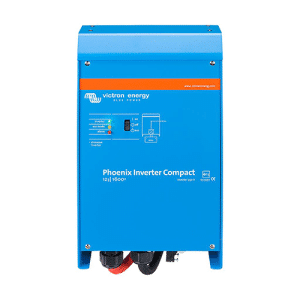
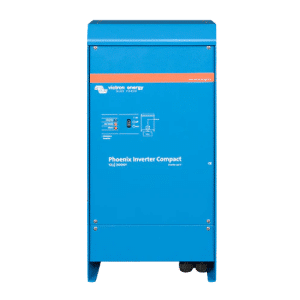
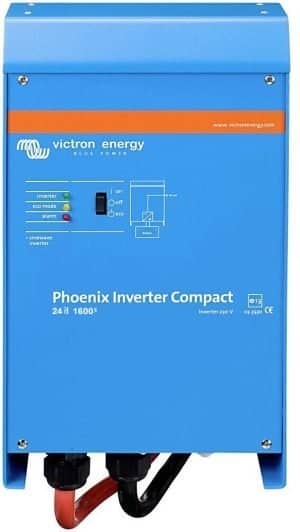
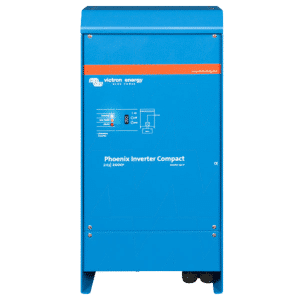
Phoenix Inverter Compact 12/1600 230V VE.Bus CIN121620000
Read more -
Phoenix Inverter Compact 12/2000 230V VE.Bus CIN122200000
Read more -
Phoenix Inverter Compact 24/1600 230V VE.Bus CIN241620000
Read more -
Phoenix Inverter Compact 12/1200 230V VE.Bus CIN121220000
Read more -
Phoenix Inverter Compact 24/2000 230V VE.Bus CIN242200000
Read more -
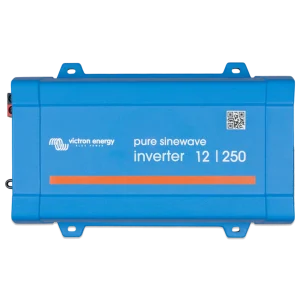
Phoenix Inverter 12/250 230V VE.Direct IEC PIN121251100
Read more -
Phoenix Inverter 12/250 230V VE.Direct SCHUKO PIN121251200
Read more -
Phoenix Inverter 12/250 230V VE.Direct AU/NZ PIN121251300
Read more -
Phoenix Inverter 12/250 230V VE.Direct UK PIN121251400
Read more -
Ph. Inv. 12/800 230V VE.Direct UK *If 0, order PIN121801400* PIN121800400
Read more -
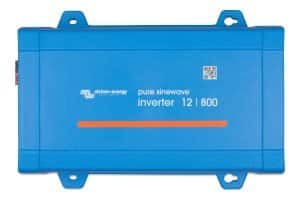
Phoenix Inverter 12/800 230V VE.Direct IEC PIN121801100
Read more -
Phoenix Inverter 12/800 230V VE.Direct SCHUKO PIN121801200
Read more
Find the Right Power Inverter for Efficient Energy Conversion
An inverter transforms DC into AC power, powering your electronics where standard current isn’t available. It’s important to understand the essentials of inverters, from types and key features to the selection process, and we hope to equip you with the knowledge to make an informed decision for any application.
Discovering the perfect power inverter for your needs is crucial for efficient energy conversion in off-grid settings, RVs, or marine applications. Viking Distribution offers a curated selection of pure sine wave and modified sine wave inverters, each designed to meet the varied demands of your equipment and appliances.
Key Takeaways
Inverters play a critical role in converting DC to AC power and come in two main types: pure sine wave inverters, which provide a smooth AC waveform, and modified sine wave inverters, which are more cost-effective but may cause issues with sensitive devices.
Selecting the right inverter involves assessing your power requirements, including running and starting wattage, and ensuring device compatibility, with pure sine wave inverters recommended for sensitive electronics.
Advancements in inverter technology have led to increased power density, repairability, and better power quality, with pure sine wave inverters experiencing notable improvements in THD, power control, and EMI suppression.
Types of Inverters
In the realm of inverters, individuals typically choose between pure sine wave inverters and modified sine wave inverters. The former provides power with a clean and consistent frequency that mirrors the electricity supplied by conventional power grids, think of it as akin to the smooth consistency of jazz music in terms of dependability.
Conversely, modified sine wave inverter technology generates a waveform that crudely mimics the shape of a true sinusoidal pattern at a more affordable cost. This type comes with certain drawbacks.
It might cause disruptions or damage when used with delicate electronic equipment due to its sudden changes in polarity.
Devices such as audio equipment may experience interference noises akin to buzzing when powered by these types of inverters.
Thus, while opting for an inverted offering cost benefits associated with its simplified waveform output can seem attractive, there are compromises involved regarding functionality and compatibility.